
Keeping Your Equipment Safe and Reliable
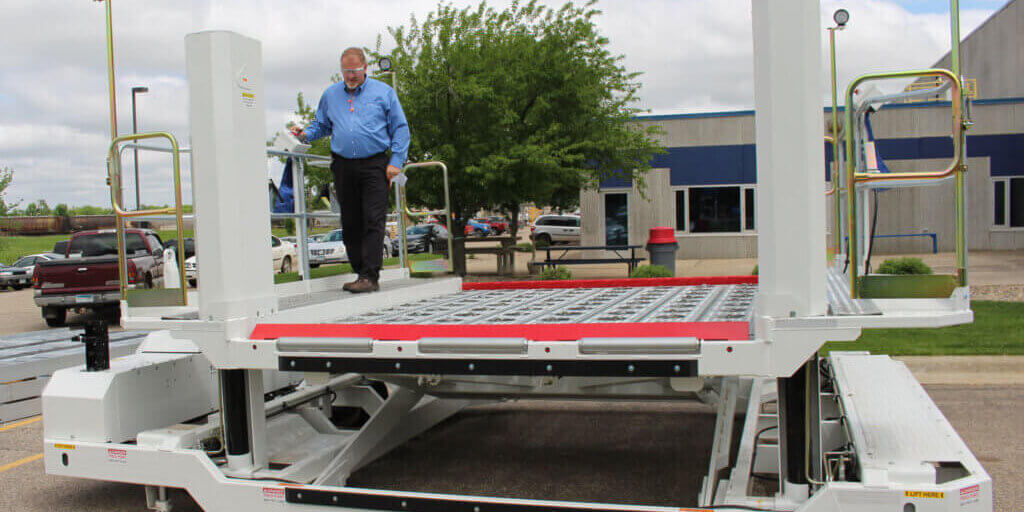
Your scissor lift is one of the hardest-working pieces of equipment on the ground. Maintaining it isn’t just about compliance, it’s about keeping your operations smooth and your team safe.
Here are the five essential checks every operator should make part of their routine
1. Cleanliness and General Condition
Start each shift by clearing debris, dirt, and grease from the lift. It sounds basic, but buildup hides damage. Look for cracked welds, bent components, missing parts, and worn decals or safety labels. If something is damaged or missing, replace it before the lift goes back into service.
2. Hydraulic System Health
This is where small problems can become expensive ones. Inspect hydraulic cylinders, hoses, and connections for leaks or seepage. Grease cylinders on a regular schedule and check the tank level before each use. Tighten any loose connections and top off fluid as needed. A slow leak today is a system failure next week.
3. Hardware Tightness
Vibration loosens bolts over time. Check all hardware, especially at pivot points and structural connections, and tighten anything that’s backed off. Replace missing fasteners immediately. A loose bolt on a scissor lift isn’t just a maintenance issue. It’s a safety issue.
4. Electrical Controls and Emergency Stops
Test all electrical controls and E-stop buttons before every use. Every time, no exceptions. If any control isn’t responding correctly, take the lift out of service and report it to qualified maintenance personnel. E-stops exist for the moments when everything else has gone wrong. They have to work.
5. Casters and Rollers
Clear debris from around casters and rollers and check for smooth wheel rotation. Tighten mounting hardware and replace any damaged casters, rollers, or missing cotter pins. A lift that doesn’t roll or position correctly creates risk for the operator and the load.
A Few More Things Worth Remembering
Never go under the deck without raising and securing the bellows and installing scissor lock bars. This prevents accidental lowering. Remove all freight from the deck before performing any service work. Always follow lockout/tagout procedures before maintenance. And if you’re ever unsure about a procedure, consult your equipment manual or contact the FAST Global Solutions Aftermarket team for support.
A proactive approach to these checks helps avoid costly repairs, reduces unplanned downtime, and keeps your team safe. Need a full maintenance checklist, replacement parts, or hands-on training for your crew? Our Aftermarket team is here to help.
AFTERMARKET PARTS
PartsSales@fastsolutions.com | 320-634-5886
AFTERMARKET SERVICE & TRAINING
service@fastsolutions.com | 320-334-2405